
What We Do

The NHLPA is the exclusive collective bargaining representative of NHL players, negotiating the terms and conditions of their employment and ensuring that those rights are protected. We also provide players with programs and resources to protect their health and safety, enhance their lives off the ice, and provide opportunities for them to drive the growth of the game.

The PlayersTed Lindsay Legacy
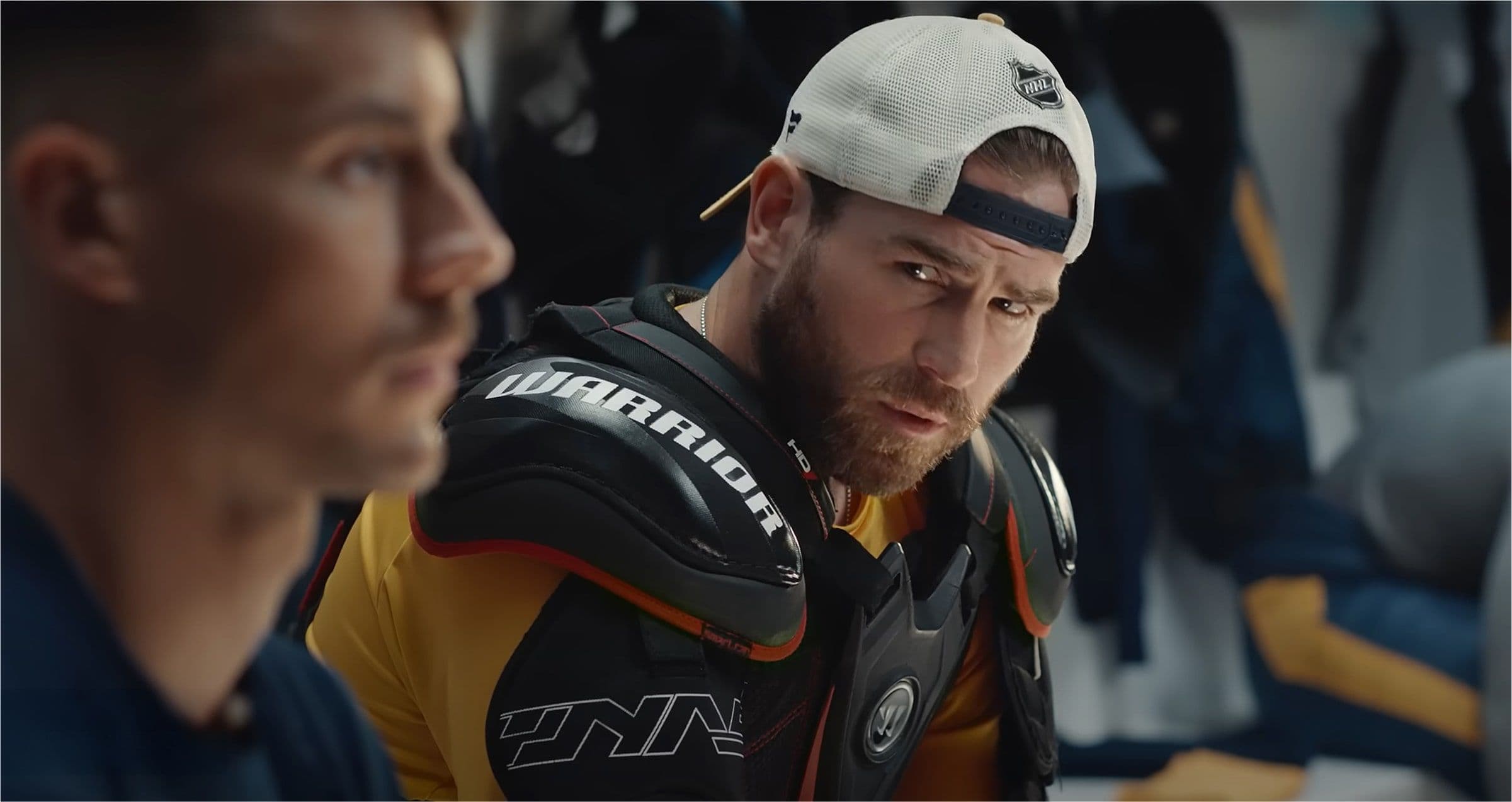
NHL player commercial
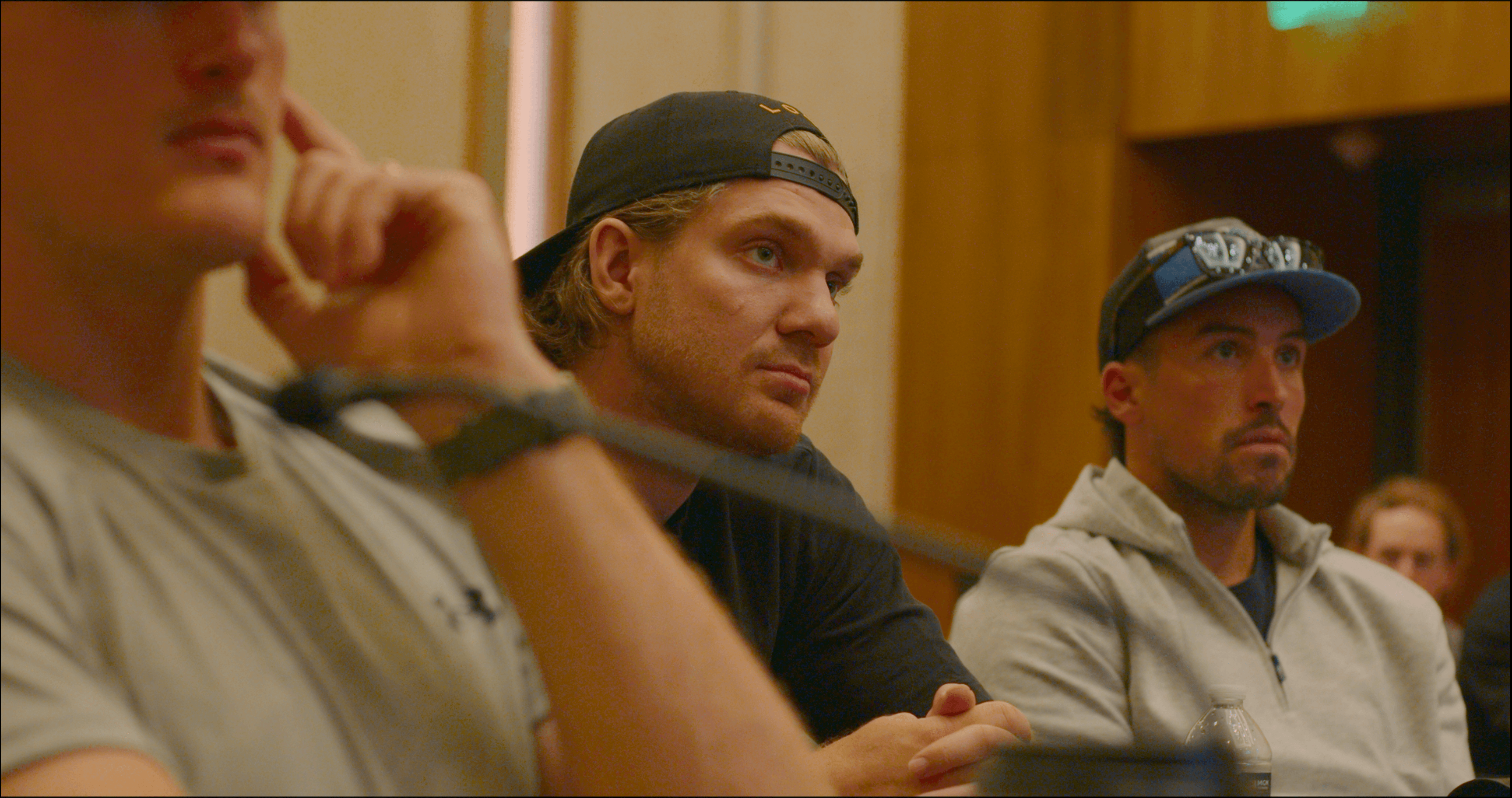
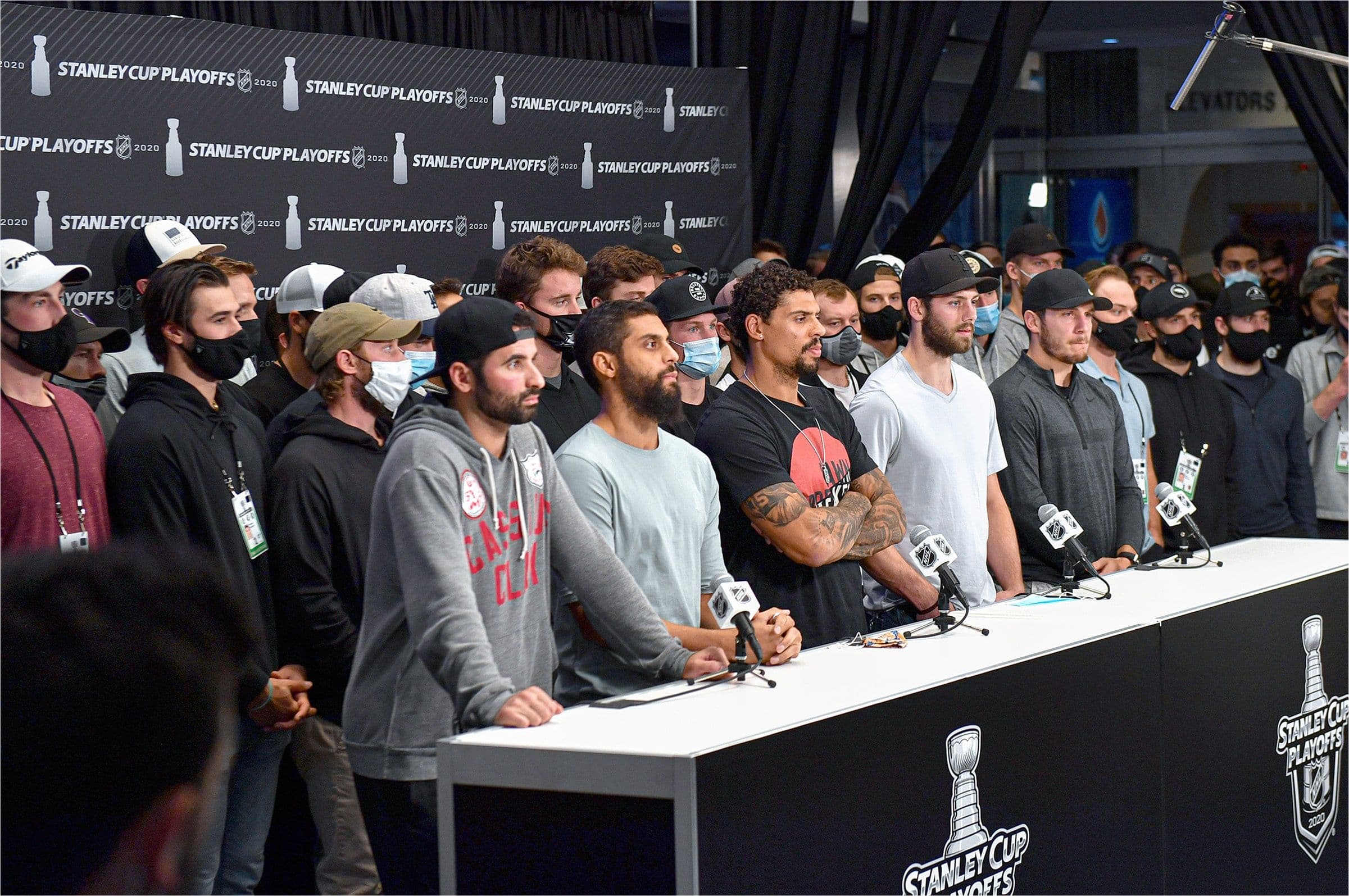
NHL players Stanley Cup Interview
NHL Commercial
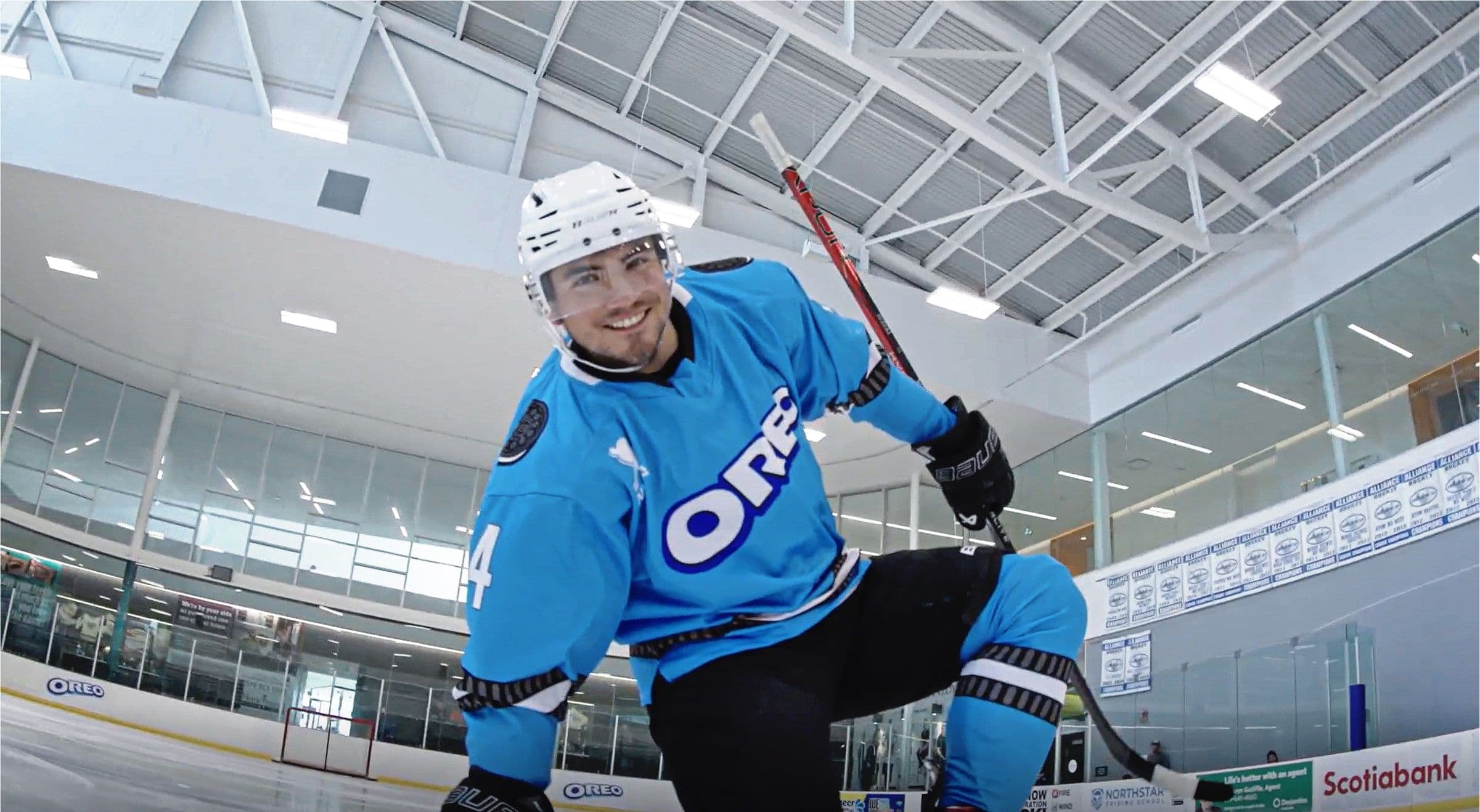
NHL Player Oreo Commercial
NHL player commercial
NHL players Stanley Cup Interview
NHL Commercial
NHL Player Oreo Commercial

Protecting Players & Growing the Game

Because the name on the back of the jersey matters.

OUR HISTORY

The NHLPA Through the Years

Founded in 1967, the NHLPA has played a pivotal role in advancing players’ rights and shaping the landscape of professional hockey. What began as a collective stand for fair treatment has evolved into a union that has a strong voice in helping shape the sport.

Full NHLPA History
1957
1967
1971
1972
1975
1976
1990
1992
1997
2004-05
2010
2025
1957

Establishing the Players' Association

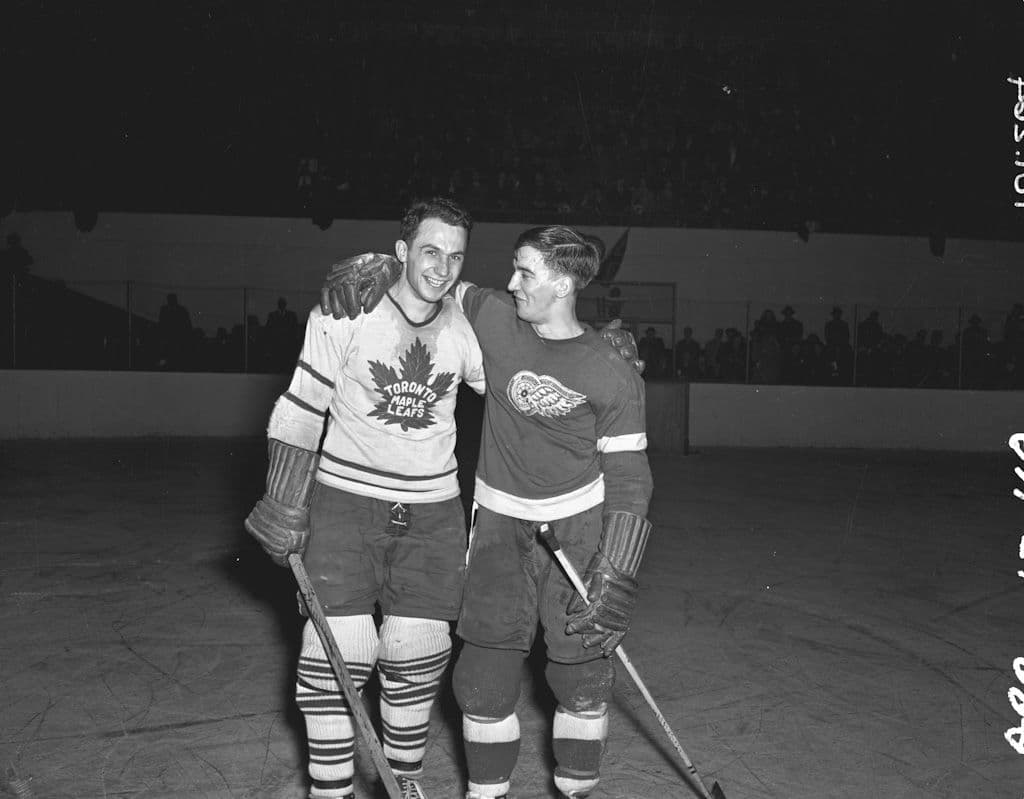
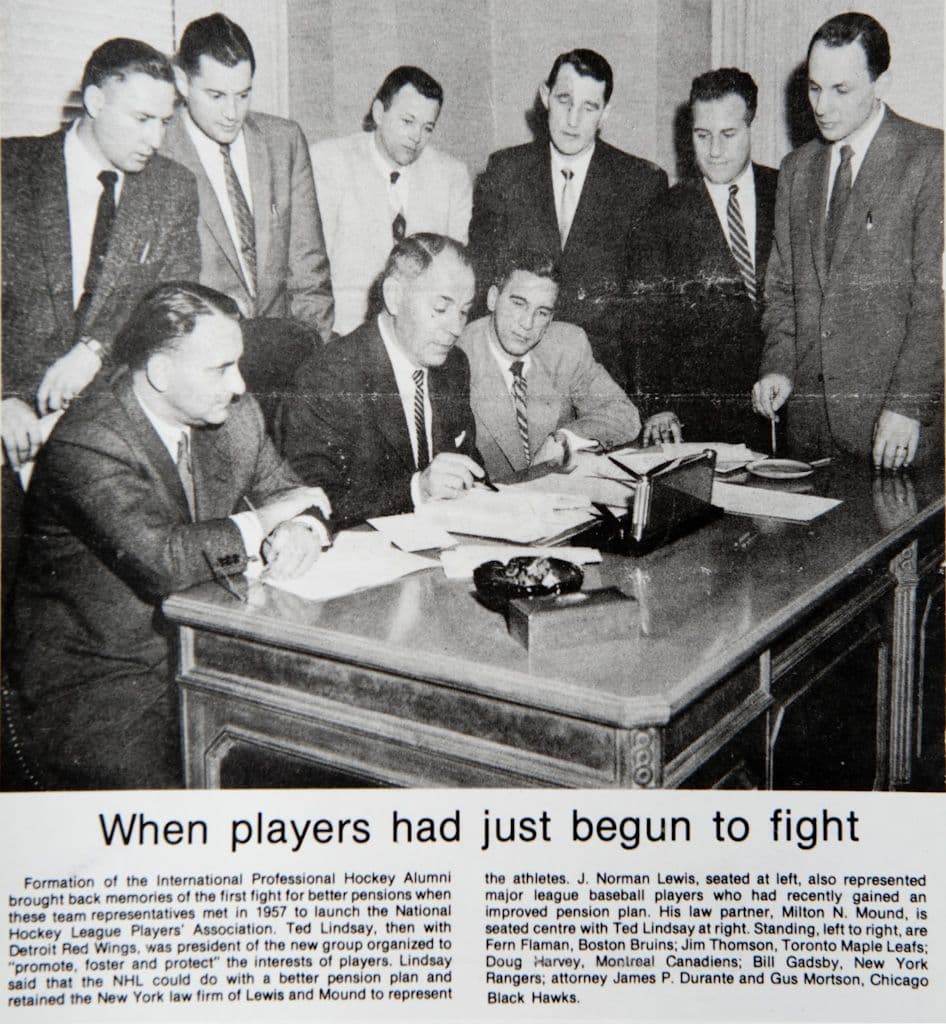
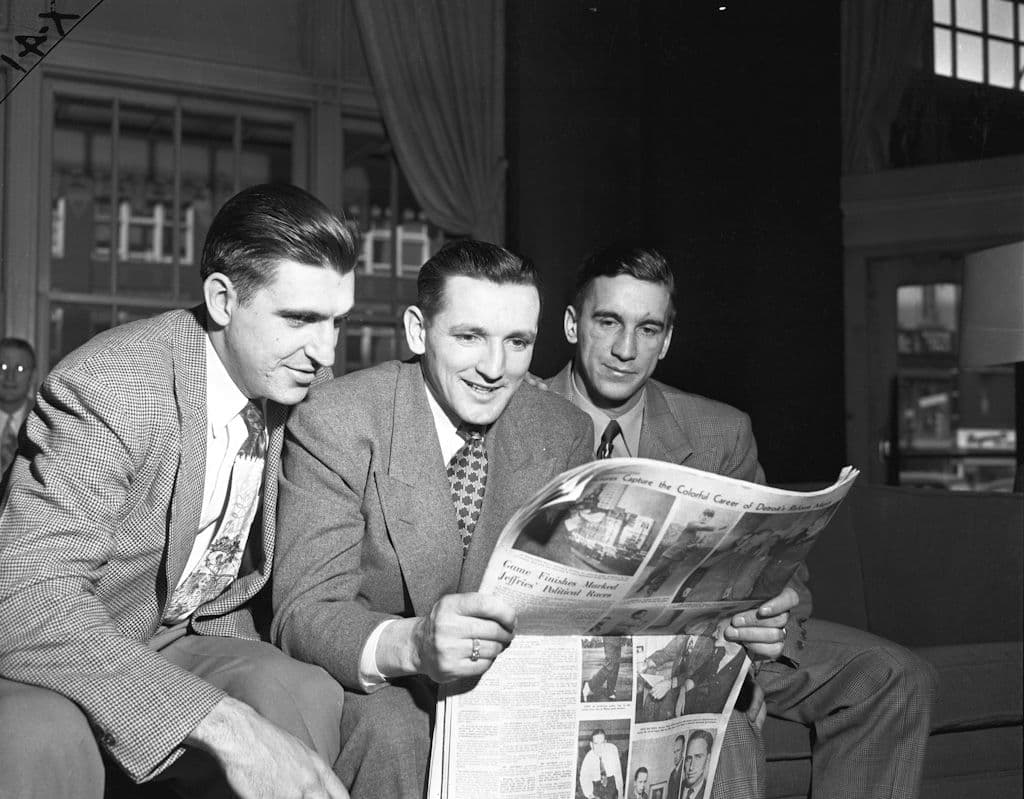
February 11, 1957: Ted Lindsay led a group of players in forming the original Players’ Association. Even though this initial version of the Union disbanded because of pressure from the owners and an out-of-court settlement, this step was still a significant moment helping to lay the groundwork for the NHLPA of today.

1967

The Original 6

June 1967: Player Reps from the Original 6 teams reformed the NHLPA as a labour organization to promote and protect the interests of the players.

1971

The Lester B. Pearson Award

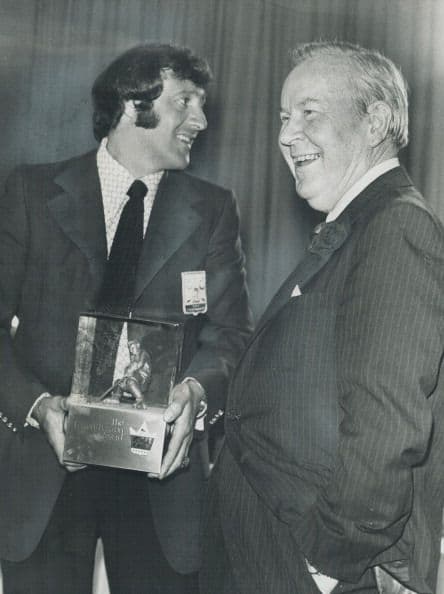
June 1971: The NHLPA introduces the Lester B. Pearson Award, given to the NHL's most outstanding player, as selected by the players. Phil Esposito was the first winner of the award, which was named after Canada’s 14th Prime Minister, Nobel Peace Prize winner and noted hockey fan, Lester B. Pearson.

1972

The NHLPA’s support for International Hockey begins with the Summit Series

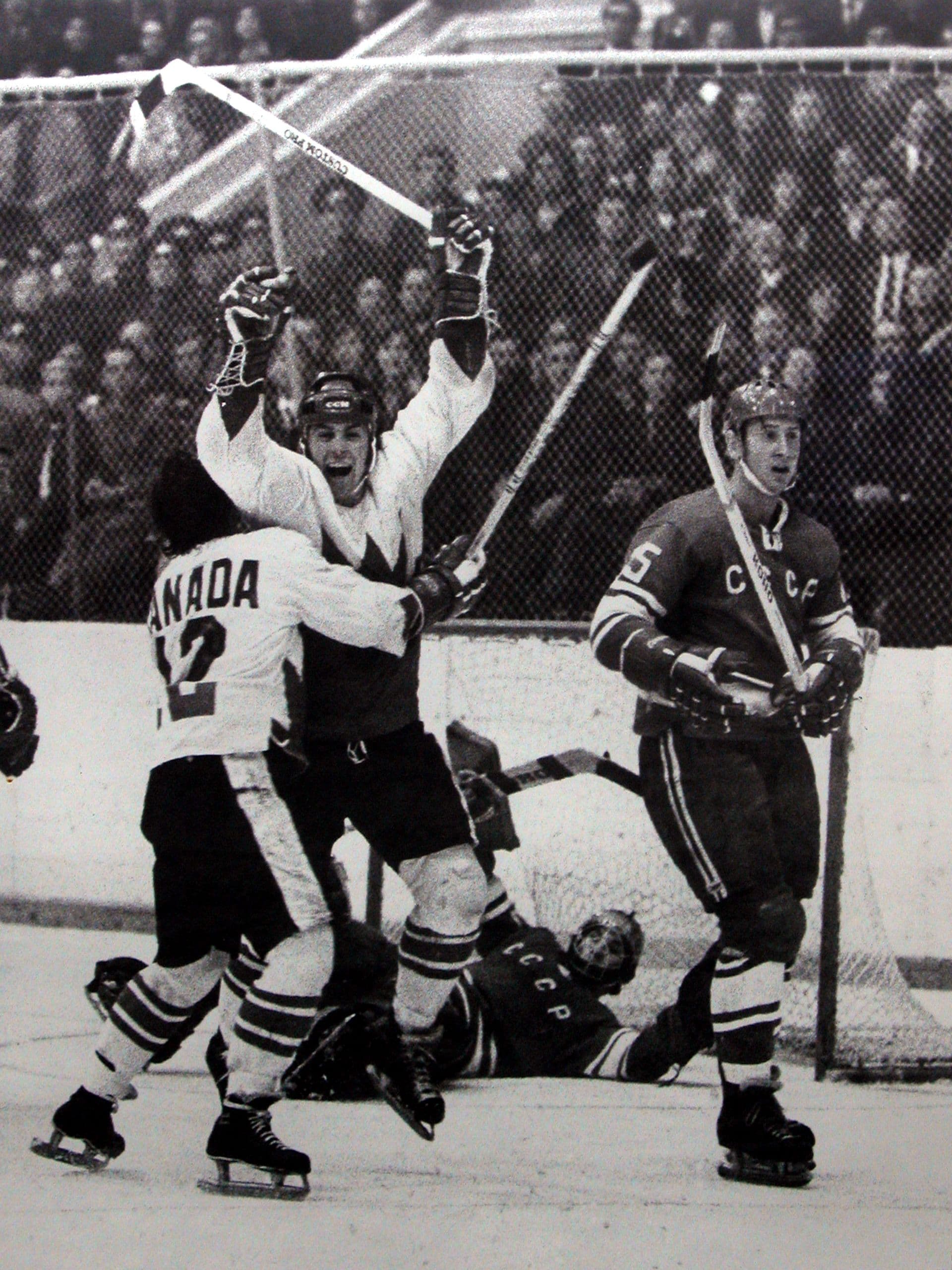
September 1972: The NHLPA plays a key role in the creation of the Summit Series, the first international hockey event featuring top Canadian NHL players competing against the Soviet Union. Team Canada won the series with four wins, three losses and one tie, with the games split between Canada and Russia.

1975

NHLPA Negotiates its First CBA

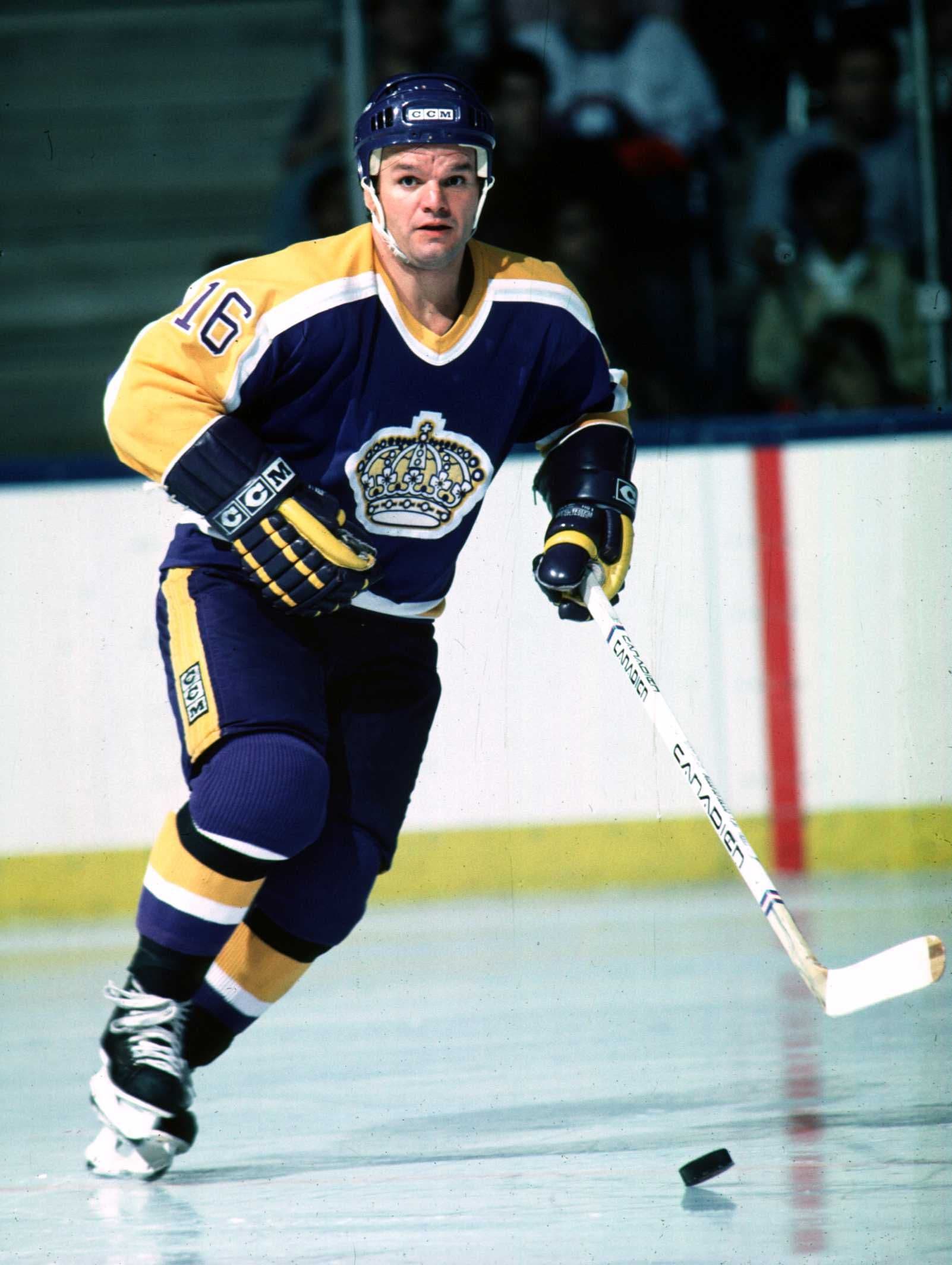
The NHLPA negotiates the first comprehensive Collective Bargaining Agreement for NHL players. The 1975 CBA allowed players to become free agents after their contracts expired, but the process was complex and often involved significant compensation for the team losing the player. Marcel Dionne became a pivotal figure in this era, when he signed with the Los Angeles Kings as a free agent.

1976

Return to International Play

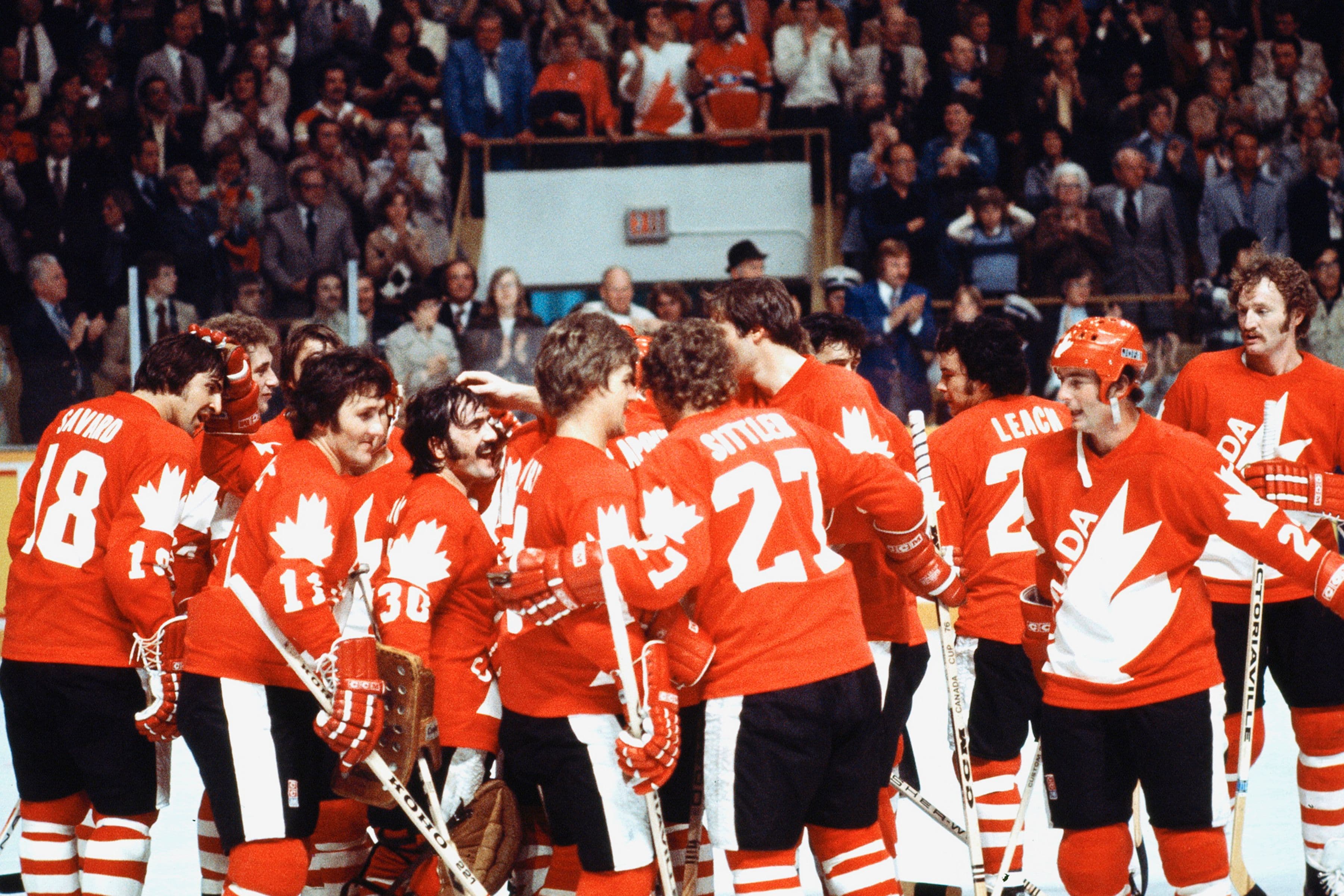
September 1976: The NHLPA, NHL and Hockey Canada create the Canada Cup, heralding Canada's official return to international hockey after a boycott that had begun in 1970. Canada defeated Czechoslovakia in a best-of-three final. A total of five Canada Cups were held: 1976, 1981, 1984, 1987 and 1991.

1990

Salary Disclosure

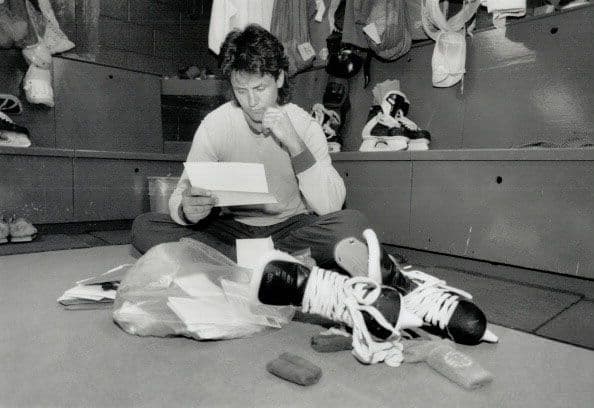
January 1990: Player reps voted to implement salary disclosure. Salary transparency became a key factor in player contract negotiations, helping to create a more competitive market and drive salaries. The Montreal Gazette published the salaries of all NHL players on January 29, 1990.

1992

The First NHLPA-led Strike

April 1 to 12, 1992: The first ever NHLPA-organized strike, which led to the players taking greater control over their name, image, and likeness rights, as well as increased playoff bonuses and improvements to free agency and arbitration.

1997

Agent Certification Program Implemented

On June 25th, 1997 the Agent Certification Program was implemented. To become certified, agents must meet specific requirements. Only certified agents may represent players in dealings with clubs.

2004-05

NHL Cancels the 2004-2005 Season

September 15, 2004: The CBA expires and the owners lockout the players.

February 16, 2005: The NHL announces the cancellation of the 2004-05 season, marking the first time a major North American sports league cancelled an entire season due to an owners’ lockout.

July 13th, 2005: A new Collective Bargaining Agreement is signed.

2010

The NHLPA introduces the Ted Lindsay Award

April 29, 2010: The NHLPA reintroduced its most outstanding player award as the Ted Lindsay Award (it had previously been called the Lester B. Pearson Award). Lindsay made significant contributions to player rights and benefits during the formation of the Players’ Association. It is awarded annually and the recipient is selected by his peers.

2025

NHLPA & NHL Host the 4 Nations Face-Off; Collective Bargaining Agreement Signed

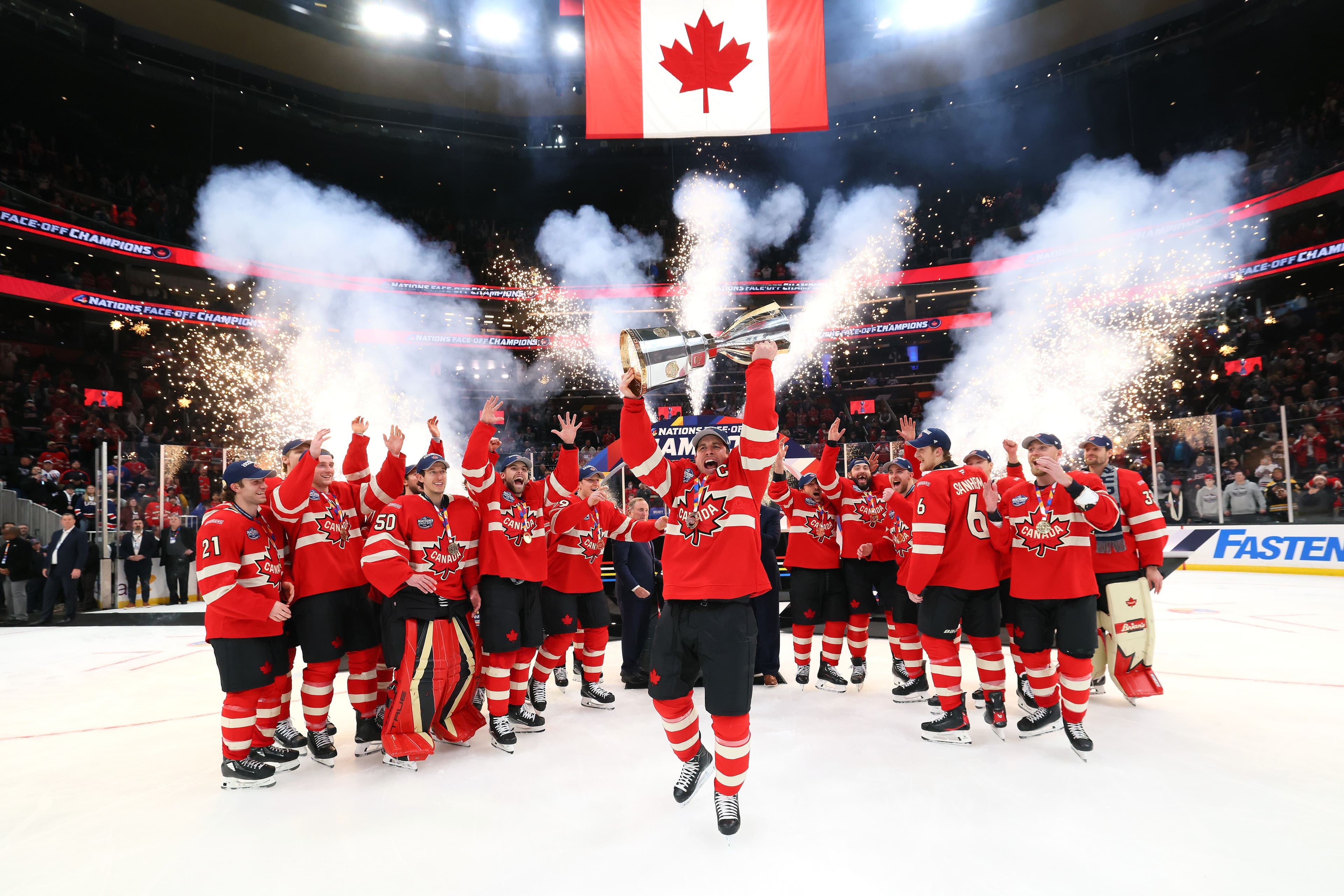
February 12 to 20, 2025: The NHLPA and NHL host the 4 Nations Face-Off in Montreal and Boston, marking the return of “best-on-best” international competition featuring NHL players for the first time in nearly ten years. Canada defeated the USA in the final.

July 8, 2025: The NHLPA and NHL ratify a new four-year collective bargaining agreement that will run through the 2029-30 season.

NHLPA Leadership

Executive Director

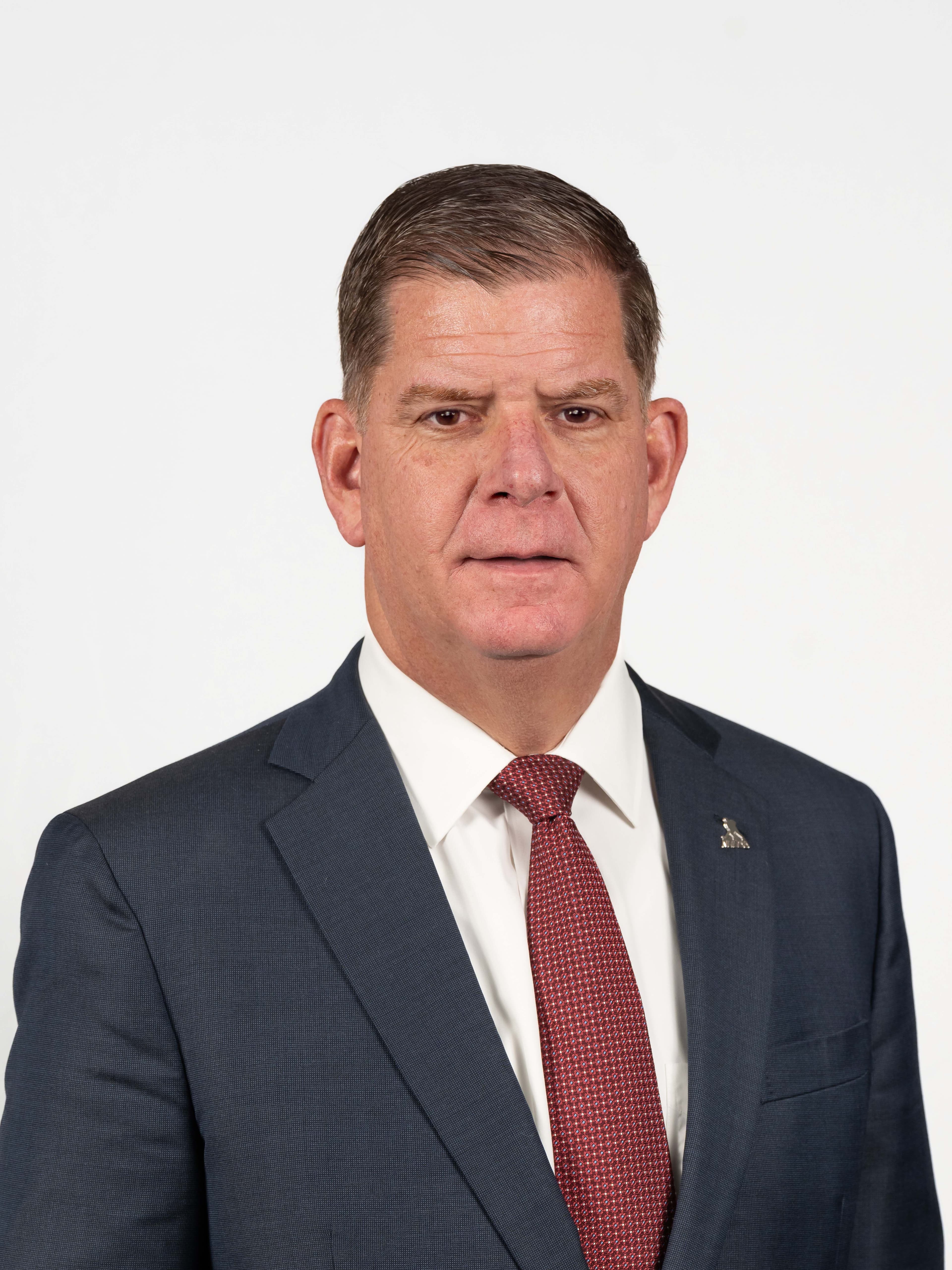
Marty Walsh

Marty Walsh was unanimously selected as Executive Director of the NHLPA in 2023, following a player-led search process. A lifelong advocate for workers, Walsh brings decades of leadership to the role, including serving as U.S. Secretary of Labor and Mayor of Boston and leading labour unions at every level. He joined Laborers Local 223 at age 21, rising through the ranks with a deep belief in unity and service.

Walsh now leads the NHLPA with the same focus on protecting players, advancing their rights, and strengthening the Players’ Association’s impact on and off the ice.

Read Full Bio
Executive Director Marty Walsh NHLPA
Assistant Executive Director

Ron Hainsey

Ron Hainsey joined the NHLPA in 2021 and was promoted to Assistant Executive Director of the NHLPA in 2023, continuing a career defined by leadership on and off the ice. In his role, Ron acts as a leading voice on operations and player advocacy, Hainsey helps translate player needs and interests into practical policies. He provides continuity and trust between past and present players, delivering credibility in complex hockey and business conversations.

A Stanley Cup champion with 1,132 NHL regular-season games played, Hainsey has long been a trusted voice among the membership. As a Player Representative, he served as an Executive Board member during multiple rounds of collective bargaining and also as a member of the NHL/NHLPA Competition Committee.

Ron Hainsey Assistant Executive Director NHLPA
Executive Board

Executive Board

The NHLPA Executive Board is made up of one Player Representative and one Alternate from each of the 32 Clubs.

These player-elected leaders are responsible for voicing the interests of their teammates, voting on union matters and helping guide the direction of the NHLPA through key decisions, including collective bargaining and policy development.

As Executive Director of the NHLPA, Marty Walsh works closely with the Executive Board to carry out their directives and lead the union’s day-to-day operations and negotiations.

Meet the Executive Board


Executive Board NHLPA

Frequently Asked Questions

Find the answers to some of the most common questions about the NHLPA.

The National Hockey League Players’ Association (NHLPA) was formed in June 1967 when player representatives of the original six NHL clubs gathered and elected Bob Pulford as its president and Alan Eagleson as its executive director.

The NHLPA is the collective bargaining representative for all current National Hockey League players. In this capacity, the NHLPA works to negotiate fair terms and conditions of employment and also assists players with grievances and salary arbitration. The NHLPA also operates a group licensing program on behalf of the players, and is responsible for managing the player agents' certification program. The NHLPA plays a major role in growing the game internationally through the planning, execution and player participation in the World Cup of Hockey, the World Hockey Championship and neutral-site games.

The Executive Board is the governing body of the NHLPA and is made up of one Player Representatives from each NHL club. The Executive Director also sits on the Executive Board as a non-voting member.

Each NHLPA member can elect to assign his collective image rights to the Association for the purposes of group licensing and marketing programs. The NHLPA can then negotiate license agreements with corporate sponsors and product manufacturers to include all players' likenesses on products ranging from video games to trading cards to apparel. In exchange for these rights, the NHLPA is typically paid a royalty and/or a marketing fee for any commercial use of the players. Players still retain their individual rights to endorse certain products or companies that aren't necessarily aligned with the group. Such companies, however, may not enter into agreements with more than two players without a group license from the NHLPA.​

NHLPA Stats

We’re proud of our history, our membership, and all that we’ve achieved together to benefit our members, fans and the state of the game. Here are some of our proudest achievements.

Officially Founded
Countries Represented
Active Players
Advocating for Players